
CNC milling, turning, or sheet metal: which process fits your drawing?
Procurement and engineering teams can reduce quote cycles by matching geometry to the right process early.
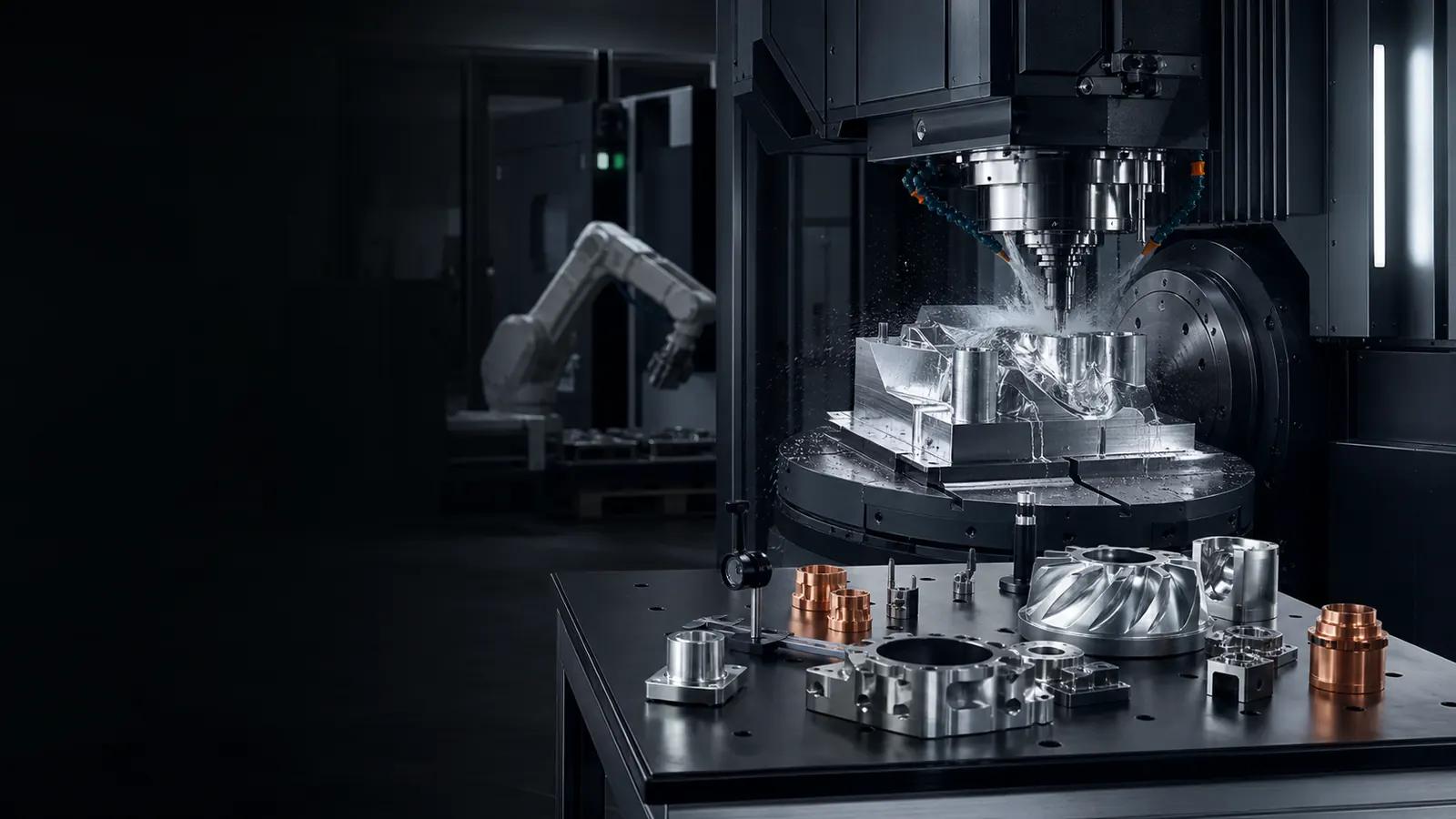
CNC milling is preferred for prismatic components, pockets, complex surfaces, and precise holes from multiple directions. Turning fits round components such as shafts, sleeves, fittings, spacers, and threaded parts.
Sheet metal becomes more efficient when the part can be formed from flat stock through cutting, bending, tapping, welding, and finishing. A bracket that looks expensive as a milled block may become economical as a sheet metal design.
The fastest route is not always a single process. Many industrial parts combine milled blocks, turned inserts, sheet metal guards, and finishing. A supplier with multiple process families can give more useful DFM feedback.
Need drawing-specific advice?
Send your CAD file, material target, and quantity. HESENX can review process fit before quoting.
Talk to an Engineer